
How to Maintain Laboratory Furniture: A Practical Guide for Long-Term Performance
2026-01-08
Laboratory furniture plays a critical role in ensuring safety, efficiency, and durability in modern laboratories. Whether in schools, research institutes, hospitals, or industrial labs, well-maintained laboratory furniture not only extends service life but also reduces operational risks and replacement costs. This guide explains how to properly maintain laboratory furniture based on structure, materials, and daily usage, with practical tips applicable to most lab environments.
1. Understanding Laboratory Furniture Structures
Before discussing maintenance, it is essential to understand the basic types of laboratory furniture commonly used today.
Laboratory furniture can generally be divided into:
- All-steel floor-mounted furniture
- All-wood floor-mounted furniture
- Steel or wood cabinets supported by steel frames
In terms of function, laboratory furniture includes:
- Central workbenches (with reagent racks)
- Side benches
- Wall cabinets and hanging cabinets
- Balance tables
- Chemical storage cabinets
- Fume hoods
In addition, laboratory benches consist of three main components:
- Worktops (chemical-resistant surfaces)
- Cabinets (or with steel frame structures)
- Accessories, such as faucets, sinks, drying racks, eye wash stations, local exhaust hoods, lab stools, and emergency shower & eyewash units
Each component requires a different maintenance approach.
2. Maintenance of Laboratory Worktops
Laboratory worktops are the most frequently used surfaces and are directly exposed to chemicals, heat, and mechanical stress.
Common Worktop Types and Care Tips
| Worktop Type | Key Features | Maintenance Recommendations |
|---|---|---|
| Phenolic Resin Worktop | Chemical-resistant, moisture-proof | Clean spills immediately; avoid prolonged contact with strong oxidizers |
| Epoxy Resin Worktop | Excellent chemical and heat resistance | Use neutral cleaners; avoid direct flame |
| Stainless Steel Worktop | Corrosion-resistant, hygienic | Wipe dry after cleaning to prevent water marks |
| Ceramic / Granite | Heat-resistant, hard surface | Avoid impact; clean with mild detergent |
General Tips:
- Clean the surface daily with mild detergent and soft cloths
- Avoid abrasive pads that may damage protective layers
- Remove chemical spills immediately to prevent surface penetration
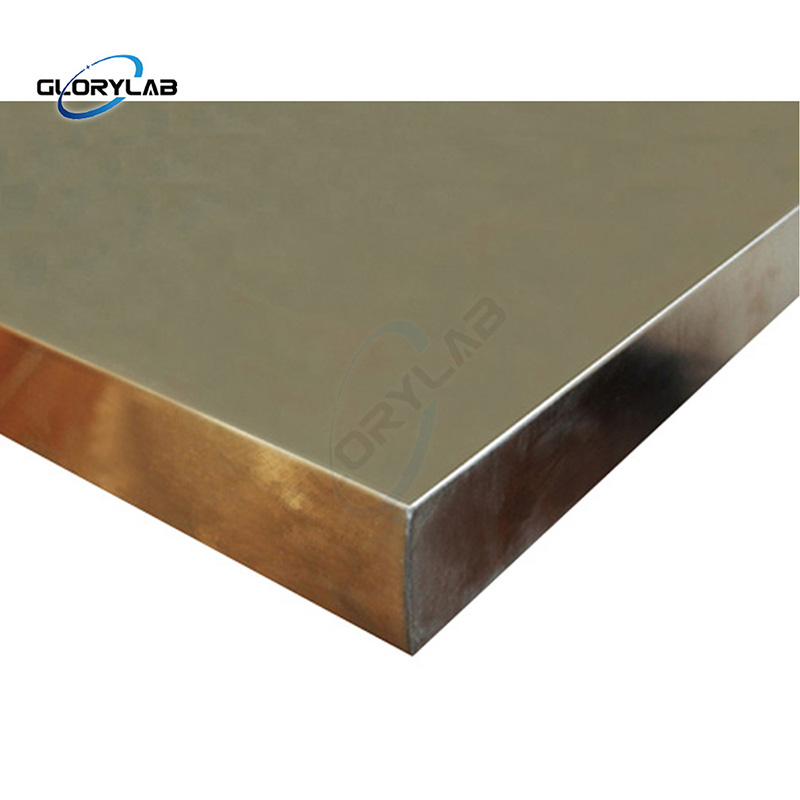
Different Lab Countertops:


3. Care for Cabinets and Steel Frame Structures
Steel Laboratory Furniture
All-steel lab cabinets and steel-frame-supported benches are widely used due to their strength and corrosion resistance.
Maintenance Guidelines:
- Regularly wipe surfaces with neutral cleaners
- Inspect powder-coated finishes for scratches and repair promptly
- Ensure adjustable feet or anchors remain stable and level
Wooden Laboratory Furniture
Wooden cabinets are usually treated with chemical-resistant coatings, but they still require more attention in humid environments.
Maintenance Guidelines:
- Keep cabinets dry and well-ventilated
- Avoid water accumulation near cabinet bases
- Check hinges and drawer slides regularly
PP Lab bench
Polypropylene cabinets are easily to be cleaned because it’s water and chemical resistance itself.
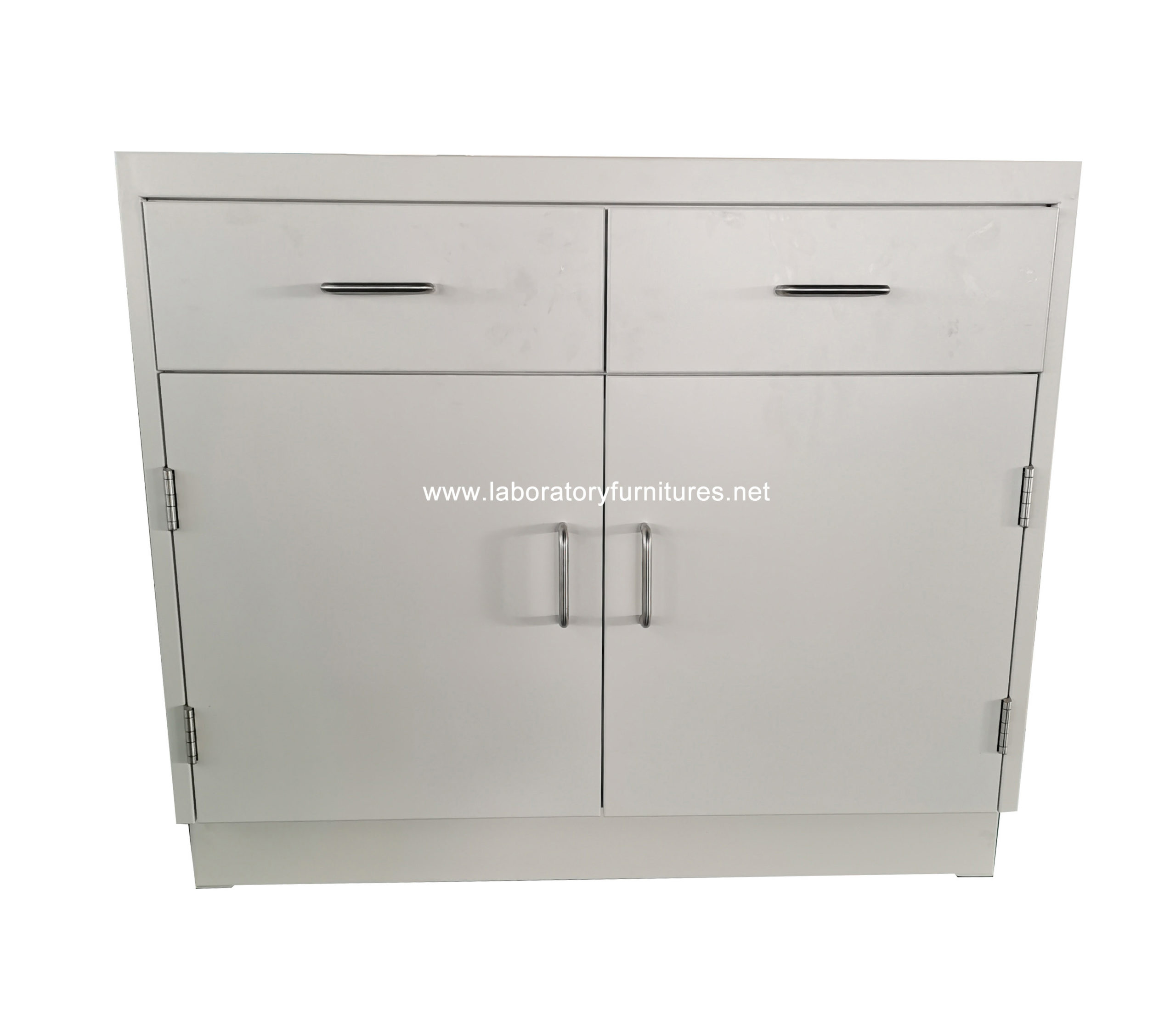
Steel Cabinet:
Wood Cabinet

PP Cabinet:

4. Maintenance of Laboratory Accessories
Laboratory accessories are essential for daily operations and safety. Regular inspection ensures reliability and compliance.
Key Accessories and Maintenance Focus
| Accessory | Maintenance Focus |
|---|---|
| Laboratory Faucets | Check for leaks; clean aerators |
| Sinks (PP / Ceramic / Stainless Steel) | Remove residues; prevent blockage |
| Drying Racks | Clean regularly to avoid scale buildup |
| Eye Wash Stations | Weekly activation test; keep dust covers clean |
| Emergency Shower & Eyewash | Monthly flow test; ensure clear access |
| Lab Stools | Check height adjustment and stability |
| Local Exhaust Hood | Clean filters; inspect airflow |
Safety Note:
Eye wash stations and emergency showers should be tested regularly according to laboratory safety standards to ensure immediate operation in emergencies.
Emergency Shower:

5. Special Maintenance for Fume Hoods
Fume hoods are among the most critical and expensive laboratory furniture components.
Best Practices:
- Clean internal surfaces regularly
- Avoid storing excessive chemicals inside the hood
- Inspect sash operation and airflow indicators
- Schedule professional airflow testing annually
Proper fume hood maintenance not only protects users but also ensures compliance with safety regulations.
6. Daily, Weekly, and Long-Term Maintenance Plan
Establishing a structured maintenance schedule improves efficiency and reduces unexpected failures.
| Frequency | Tasks |
|---|---|
| Daily | Clean worktops, sinks, and visible surfaces |
| Weekly | Inspect faucets, eyewash units, and stools |
| Monthly | Check cabinet hardware and steel frames |
| Annually | Professional inspection of fume hoods and safety systems |
7. Glorylab’s Maintenance Advantages
Glorylab laboratory furniture is designed with long-term maintenance in mind. Compared with conventional products, Glorylab offers several key advantages:
- High-quality powder coating for steel furniture, providing superior corrosion and chemical resistance
- Modular design, making replacement of damaged components fast and cost-effective
- Optimized structure that minimizes dust accumulation and simplifies cleaning
- Durable accessories selected for long service life and easy maintenance
- Clear maintenance guidance provided with each product, reducing operational errors
By choosing Glorylab, laboratories can significantly lower maintenance costs while extending furniture lifespan.

8. Conclusion
Maintaining laboratory furniture is not just about cleanliness—it is about safety, durability, and efficiency. By understanding furniture structures, materials, and accessory functions, laboratories can develop effective maintenance routines that protect both users and investments.
With proper daily care, scheduled inspections, and high-quality products like Glorylab laboratory furniture, laboratories can achieve long-term reliability and professional performance in any working environment.
Maybe you like also

©2023 Jiangsu Jiahong Laboratory Equipment Co,ltd.
All Rights Reserved.