» Blog » A Practical Selection Guide to Buying Lab Furniture
A Practical Selection Guide to Buying Lab Furniture
2026-01-25
When it comes to setting up a laboratory, choosing the right furniture is essential for both functionality and safety. Whether you are looking to buy lab furniture, a lab table, or a lab bench, it is crucial to understand the different options available to make an informed decision. This guide covers all aspects of purchasing laboratory furniture, including materials, structure, style, installation, and cost-saving tips. Additionally, we will highlight key performance aspects, which will help you select the most suitable furniture for your lab environment
Understanding the Basics of Lab Furniture
Before making any purchases, it’s essential to understand the types of furniture required for a laboratory. Some of the most commonly needed items include:
Laboratory Benches
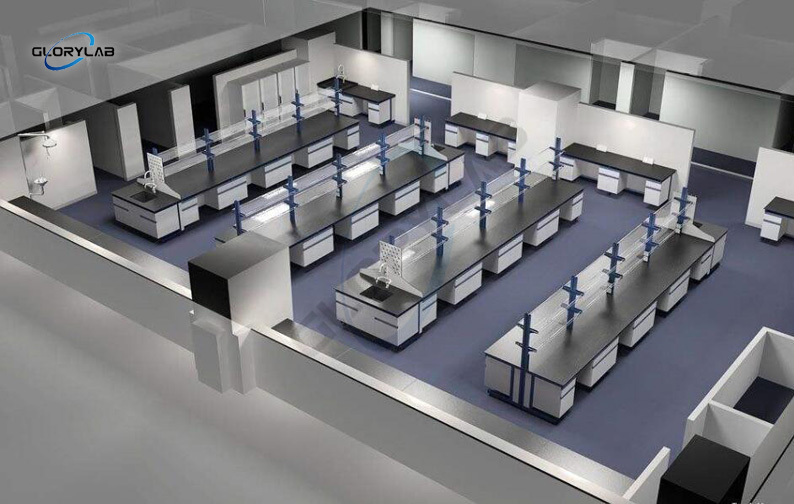
Typically equipped with lab countertop, reagent shelf, built-in features such as sinks, power outlets and lower storage compartments etc.
Central Lab Bench: The central lab bench offers a spacious, versatile workspace, often equipped with reagent racks for organized storage. It’s ideal for collaborative tasks, providing ample room for equipment and experiments.
Side Benches/Sinks/Corner Benches: Side benches, sinks, and corner benches maximize lab space, offering essential areas for wet work and experiments. Corner benches efficiently use space, while side benches complement central benches for various tasks.
Balance Table: The table is engineered with anti-vibration leveling feet and a solid, stable structure to ensure precise measurements and accuracy in weighing tasks.
Normally, we design type of lab bench according to size of layout and lab function.
Safety Storage Cabinets
Essential for safely storing chemicals, equipment, and lab materials. It includes safety storgae cabinet, medicine cabinet, PP storage cabinet and wall mounted cabinet etc.
All-Steel Tall Cabinet: Designed for secure and organized storage of less corrosive chemicals and material Made of durable steel to ensure safety and reliability.
PP Storage Cabinet: Ideal for storing acids and corrosive materials. Constructed with polypropylene for superior chemical resistance.
Fireproof Cabinet (Including Smart Models): Provides essential protection for storing flammable chemicals, equipped with advanced fire resistance features, including smart sensors for monitoring.
Gas Cylinder Cabinet: A specialized cabinet for safe storage of gas cylinders, ensuring ventilation and preventing leaks for lab safety.
Each cabinet type is tailored for specific laboratory needs, ensuring safety and functionality.
Safe Ventitlation System
Fume Hood: A ventilated enclosure designed to contain hazardous fumes, vapors, or dust, ensuring safety during chemical experiments by pulling air away from the user. Safety and energy saving are the most importent performance to be considered. Glorylab safety energy efficient model based on moderate cost is the your ideal selection.
Emergency Eyewash Station: A safety feature providing immediate flushing of the eyes with water to minimize damage from chemical splashes or exposure. Normally 304 stainless steel emergeny shower is your best option.
Mobile Exhaust Arm: A flexible exhaust system that captures fumes at the source, providing mobile ventilation for varying laboratory setups and ensuring effective air quality control. Most of fume extractors are ceiling mounted.
Materials Selection
Laboratory Countertop
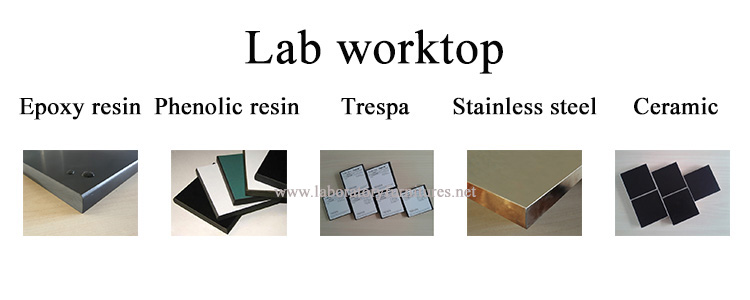
When you buy lab table, the material of the table or bench surface is one of the most important considerations. Here’s a comparison of common materials used in lab furniture:
Material
Pros
Cons
Application
Epoxy Resin
Chemical-resistant, durable, heat-resistant, it’s resistant to temprature around 600 celsius degree.
Relatively high cost
Labs working with chemicals and heat
Phenolic Resin
Chemical, heat and impact-resistant, economical
Less heat resistance than epoxy
General laboratory use
Stainless Steel
Easy to clean, highly durable
Susceptible to scratches, relatively costly
Heavy-duty and cleanroom environments,Biopharma
Ceramic
Highly chemical and heat resistant,moderate cost. It’s resistant to most of strong chemicals and it’s resistant to temperature around 800 celsius degree.
Fragile
Labs with high requirements on chemical and heat resistance
Recommendation: For labs dealing with corrosive chemicals, epoxy or phenolic resin is ideal, while stainless steel is best for cleanrooms and environments that require easy cleaning. For labs with strong chenicals and high temperature, ceramic worktop is your best choice.
Cabinet Material
All-Steel Structure: Made entirely of cold-rolled steel or stainless steel, offering durability and resistance to chemicals, heat, and physical impact.
Steel-Wood Structure: Feature a steel frame with wooden tops, typically made of particle, MDF or plywood, providing a balance of strength and cost-effectiveness for normal chemical environments.
PP (Polypropylene) Structure: Constructed with a polypropylene surface, these benches are resistant to acids, alkalis, and other corrosive substances, ideal for pretty corrosive working labs.
Recommendation: Choose the material based on chemical resistance, durability, buget and aesthetic preferences to suit your lab’s needs.
Regular Cabinet Design
Design of Lab Furniture
The structure of the furniture is just as crucial as the material. You’ll need to ensure the lab furniture can withstand the demands of your laboratory. Look for features like:
C-frame with Mounted Cabinet: The C-frame design provides sturdy support while offering additional storage with a mounted cabinet. This style is ideal for labs where space efficiency and easy access to frequently used tools are essential.
H-frame with Mounted Cabinet: The H-frame structure is known for its superior stability, making it perfect for heavy-duty laboratory use. Combined with a mounted cabinet, it ensures both durability and organized storage.
Freestanding Cabinets: This style features standalone storage units beneath the lab table, providing ample space for storing equipment and chemicals.
Steel Frame with Mobile Cabinets: This configuration offers mobility with its steel frame and attached rolling cabinets. It allows easy reconfiguration of the workspace, making it ideal for dynamic labs that need flexibility and storage on the go.
Be sure to check the load rating for lab tables and benches, particularly if they will support heavy instruments.
Installation and Maintenance
One of the key factors to consider when purchasing lab furniture is installation. Some suppliers offer installation services, which can save time and ensure that the furniture is set up correctly. However, if you plan to install the furniture yourself, check for the following:
Ease of assembly: Look for pre-assembled units or simple assembly instructions.
Adjustability: Some furniture comes with adjustable components, allowing you to fine-tune for different lab needs.
Maintenance: Choose furniture that is easy to clean and maintain, especially in labs with high chemical exposure.
Warranty: At least above 1 year.
Additionally, consider how easy it will be to install, replace or repair parts if needed.
Budget-Friendly Options Without Compromising Quality
When deciding to buy lab furniture, budget constraints can be a major consideration. However, there are several ways to save costs while still acquiring high-quality furniture:
Modular setups: These allow you to purchase only the necessary components and expand later as needed.
Pre-owned or refurbished furniture: A great option for those looking to save money while still getting durable furniture.
Smart material choices: Opt for materials that offer a good balance of performance and cost, such as laminate or phenolic resin.
Cost Saving Tip: Purchase in bulk for laboratory furniture with multiple labs as many suppliers offer discounts on larger orders.
Other Points to Consider
Accessory Quality: The durability and brand of hinges, slides, and handles is crucial for long-term performance and ease of use.
Product Standards: Ensure compliance with relevant standards like SEFA 8M, ASHRAE 110, and EN14175-3 for safety and performance.
Environmental Impact: Opt for eco-friendly materials, especially for wood material such as MDF, particle board and plywood, reaching E1 grade to ensure sustainability and minimize harmful emissions.
Each factor contributes to the overall functionality, safety, and environmental footprint of laboratory furniture.
Conclusion: Making the Right Choice
When you decide to buy lab furniture, it’s important to consider a variety of factors, including material durability, structure, style, and your specific needs. With careful planning and attention to detail, you can select the right furniture for your laboratory, maximizing both functionality and cost-effectiveness. Remember to compare prices, check the specifications, and consider long-term maintenance when making your decision. By investing in the right lab furniture, you’ll create a productive, safe, and efficient workspace for your lab team.
To learn more about lab furniture, welcome to visit our homepage to know more about products.